
 en
enCall me back
Please leave your phonenumber and we will call you as soon as possible.
- Quality equipment
- Personalised machine advice
- Worldwide delivery
- Since 1977
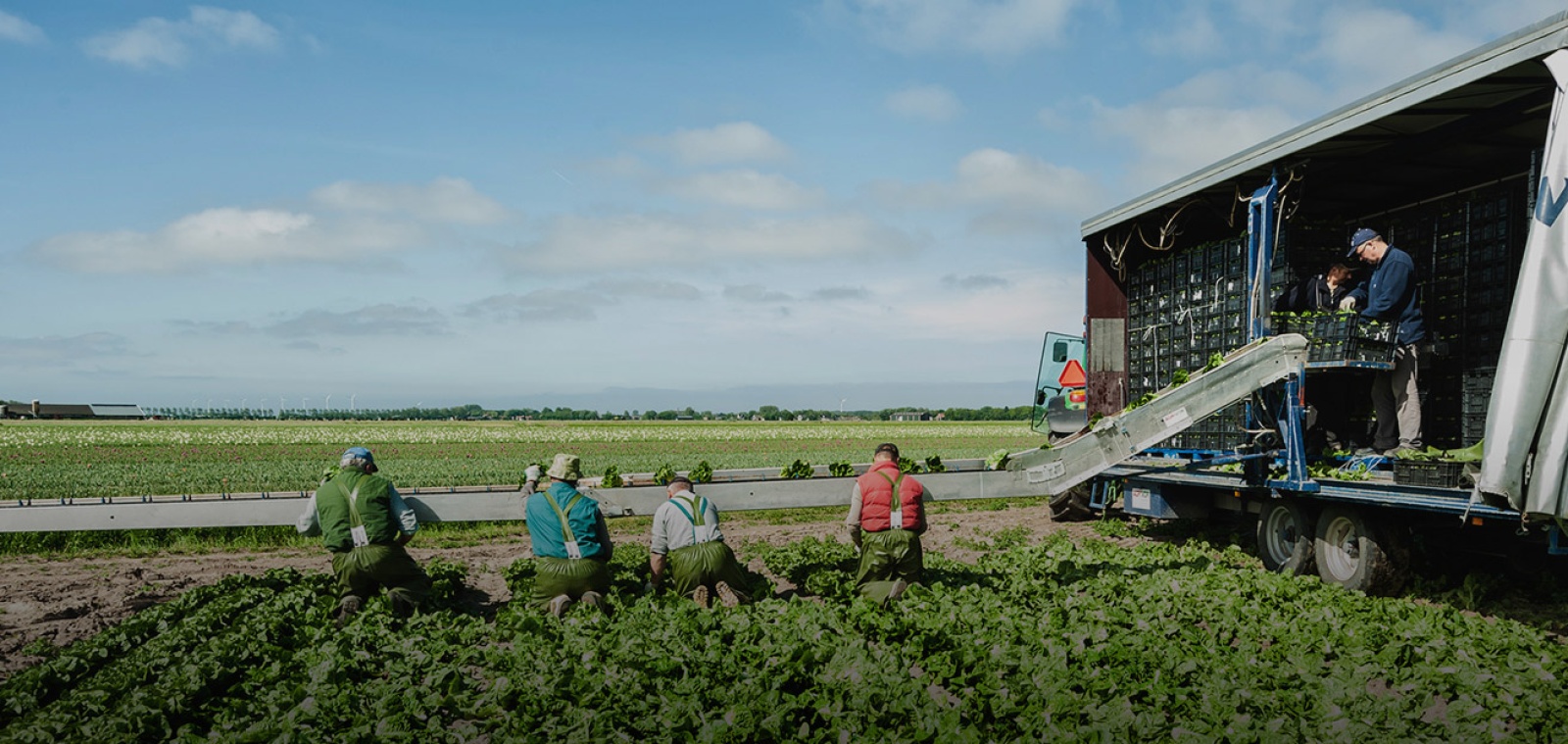
Which packaging machine suits your product?
.png?resolution=500x0)
Choosing the right packaging machine is essential for an efficient packaging process and optimal product presentation. Whether you work with potatoes, onions, apples, peppers, tomatoes, flowers, or herbs: every crop requires a different packaging solution. The right packaging not only provides protection, but also plays an important role in shelf life, transport, and sales.
Soft fruit, such as strawberries and berries, for example, requires a completely different approach than hard products such as Brussels sprouts or carrots. But which packaging solution best suits your product?
In this blog, we will guide you step by step through the most important choices, so you know exactly which packaging machine fits your product!
Film Packaging
Horizontal or Vertical Packaging
One of the first choices is the type of packaging machine: horizontal or vertical.
A horizontal flow pack machine is ideal for products with a fixed shape, such as cucumbers, peppers, zucchinis, eggplants, and packaged trays with tomatoes or soft fruit such as blueberries, grapes, or strawberries. These products are widely grown in greenhouse horticulture and often have a consistent shape, making them perfectly suited for flow pack packaging.
Products such as bread, herb bundles, or flower bouquets can also be packaged horizontally for neat presentation and protection during transport.
Where a horizontal flow packer is suitable for fixed-shape products, a vertical packaging machine (VFFS) is designed for loose products such as potatoes, onions, carrots, Brussels sprouts, and cut vegetables like lettuce or spinach. These products are often processed in bulk and then packaged by weight.
In addition, vertical machines are widely used for products such as nuts, seeds, grains, and frozen products. Their flexibility in bag formats makes them highly versatile.
Conclusion
Fixed-shape products → horizontal flow packer Loose products → vertical flow packer
Loose Products or Products in Trays
When choosing the right packaging machine, the way your product is presented plays a major role. Loose products such as onions, potatoes, carrots, and citrus fruits are often packaged directly via weighing and packaging lines. This is highly efficient for large volumes and is widely used in open-field vegetable production.
Delicate products such as strawberries, blueberries, grapes, and raspberries are often packed in trays or punnets. This prevents damage and provides better presentation in supermarkets.
Products such as mushrooms, cut vegetables, herbs, and ready-to-eat salads are also frequently packaged in trays. Tray sealers or top seal machines are used for this purpose, neatly sealing the packaging with film.
Conclusion
Delicate products → often packaged per tray with a top seal machine
Sealed or Perforated Film
The choice of film directly affects the shelf life of your product.
Sealed film is often used for products such as meat substitutes, cut vegetables, salads, and fruit mixes. In combination with gas flushing, it ensures longer shelf life and better protection.
Perforated film is suitable for “breathing” products such as lettuce, spinach, herbs, broccoli, and cauliflower. These products stay fresh longer because moisture and gases can escape. Perforated film can also help prevent condensation during storage and transport for products such as apples, pears, and citrus fruits.
Conclusion
Non-breathing products → sealed film for extended shelf life, optionally with gas flushing Breathing products → perforated film for longer freshness
Packaging with Shrink Film
Shrink film is widely used for products such as cucumbers, peppers, various cabbages including cauliflower, broccoli, and pointed cabbage, but also for corn and sometimes carrots and eggs. By tightly wrapping the product in film, dehydration is prevented and product quality is maintained for longer. This is especially important for products that are sensitive to moisture loss.
Shrink film is also used for bundle packaging, for example when multiple products are packed together.
Packaging with Stretch Film (for Fresh Products)
Within the fresh produce sector, stretch film is also used as direct product packaging, for example for heads of lettuce, broccoli, cauliflower, and sometimes cabbage varieties. In this process, the product is tightly wrapped with thin stretch film, protecting it against dehydration, contamination, and damage during transport and storage.
This packaging method is particularly popular for products that are sensitive to moisture loss and where a natural appearance should be maintained. Due to the light tension of the film, the product remains compact and neatly packaged without being completely airtight.
Stretch packaging machines for fresh products often operate automatically and can achieve high capacities, making them suitable for growers and processors of open-field vegetables. In addition, the film can be printed or combined with a label, allowing product information and branding to be added easily. Below, you can read more about printing options.
Transparent or Printed Film
The appearance of your packaging is just as important as its functionality.
Transparent film is widely used for products such as apples, tomatoes, peppers, grapes, and strawberries. Consumers want to see the product and assess its quality.
Printed film is more commonly used for branded products such as snack vegetables, salads, or packaged potato products. It allows you to stand out on the shelf and communicate important information.
Working with a Label Printer
In addition to film, labeling plays a major role. Label printers are widely used for products such as apples, pears, kiwis, mangoes, and avocados, but also for packaged vegetables and trays. They allow you to easily add information such as weight, origin, barcode, and expiration date. For products with variable weight, such as potatoes or onions, a label printer is almost indispensable within the packaging process.
Would you like to add labels to your film packaging? Then you can add a checkweigher with labeling module to your packaging line.
Vacuum Packaging
Vacuum packaging is mainly used for products where maximum shelf life is important.
Examples include meat, cheese, fish, or industrial products. Within the fresh produce sector, vacuum packaging is less common, but it can be a solution for processed vegetables or special export flows.
Vacuum packaging is also widely used in the French fries industry, where peeled potatoes or fries are vacuum packed for direct supply to the hospitality sector.
Vacuum packaging can also play a role in niche markets such as organic products or premium packaging.
Packaging with Gas (MAP)
With Modified Atmosphere Packaging (MAP), the air inside the packaging is replaced by a gas mixture. This is widely used for products such as cut lettuce, meal salads, fruit mixes, mushrooms, and fresh herbs. The correct gas composition keeps the product fresh and attractive for consumers for a longer period.
MAP is also increasingly used for soft fruit such as strawberries and blueberries, as it can significantly extend shelf life without compromising quality.
Net Packaging: Ideal for Bulk Products
For products such as onions, potatoes, oranges, lemons, and other citrus fruits, net packaging is a commonly used solution. These products require ventilation and are often sold in larger volumes.
Machines such as Girsac and Vertbag are used for fully automatic net packaging lines. These are ideal for high capacities and are often combined with weighing systems.
Net clippers, on the other hand, are used for smaller volumes or as a flexible solution. They are easy to deploy and suitable for different types of nets.
Clipping or Quicklock
With net packaging, the closing method is an important factor to consider. Two methods are commonly used.
Clipping is the traditional method and is widely used for products such as onions, potatoes, and citrus fruits. It is robust and reliable, especially for heavier packages.
Quicklock systems are becoming increasingly popular, particularly in retail packaging. They offer advantages in terms of sustainability and ease of use and are more frequently applied to consumer-oriented products.
Bag Fillers: Perfect for Apples and Potatoes
Bag fillers are widely used for products such as apples, pears, potatoes, and onions. These machines automatically open a bag, fill it with the correct weight, and close the packaging. This makes them ideal for standard consumer packaging ranging from 1 to 5 kg.
In the fruit sector, where products such as apples and pears are often processed in large volumes, bag fillers are an efficient solution. These machines are also widely used for potatoes and onions due to their high capacity and reliability.
Conclusion: The Right Choice Depends on Your Crop
There is no standard solution when it comes to packaging machines. Whether you work with vegetables such as broccoli and carrots, fruit such as apples and grapes, or flowers and plants: every crop requires a different approach.
The right choice depends on factors such as:
- Type of product (loose, tray, net, or bag)
- Fragility (e.g. soft fruit vs potatoes)
- Desired shelf life
- Presentation and marketing
- Production speed and automation
By mapping out these aspects carefully, you can arrive at a packaging solution that perfectly matches your process.
Not sure which machine best suits your crop? Then consult our handy infographic or feel free to contact us. We are happy to help you find the right solution!