
 en
enCall me back
Please leave your phonenumber and we will call you as soon as possible.
- Quality equipment
- Personalised machine advice
- Worldwide delivery
- Since 1977
- All
- Celeriac (8)
- Vegetables (669)
- Fruits (528)
- Leafy vegetables (466)
- Herbs (288)
- Tree nursery (275)
- Tomatoes (267)
- Potplants (261)
- Potatoes (225)
- Onions (217)
- Peppers (212)
- Apples (180)
- Flower bulbs (174)
- Carrots (157)
- Food (157)
- Citrus and lemons (156)
- Eggplant (156)
- Avocados (146)
- Zucchini (142)
- Brussels sprouts (138)
- Recycling (135)
- Cucumbers (131)
- Flowers (128)
- Lettuce (124)
- Pears (121)
- Cherries (114)
- Trays (113)
- Kiwis (106)
- Strawberries (103)
- Leek (88)
- Broccoli (86)
- Perennials (85)
- Mangoes (85)
- Cabbage (76)
- Asparagus (75)
- Peaches (72)
- Apricots (65)
- Mushrooms (59)
- Cauliflower (58)
- Summerflowers (53)
- Fennel (52)
- Endive (52)
- (Red) Beets (51)
- Radish (51)
- Berries (45)
- Tulips (43)
- Plums (41)
- Spinach (41)
- Sunflowers (40)
- Oranges (40)
- Sweet potatoes (38)
- Roses (37)
- Nectarines (32)
- Chicory (31)
- Grapes (31)
- Pumpkin (29)
- Spring onions (27)
- Beans (23)
- Garlic (20)
- Corn (19)
- Melons (18)
- Gingers (18)
- Parsley (17)
- Nuts (17)
- Parsnip (16)
- Peonies (15)
- Celery (15)
- Chrysanthemums (15)
- Grains (14)
- Lilies (13)
- Orchids (13)
- Phalaenopsis (10)
- Freesias (8)
- Kale (8)
- Turnips (7)
- Bok choy (5)
- Seeds (4)
- French fries (3)
- Meat (3)
- Pickles (3)
- Show more (80)Show less
Be the first to receive new additional machines in your mailbox with any of the following features.
-(1).jpg?resolution=1110x0&background=FFFFFFFF&quality=85&force_jpg_crop=1)
![Baekelandt celeriac washer with brushes]()
Baekelandt celeriac washer with brushes
![Kongskilde Vibrocorn cultivator with 3 elements, 2 rows]()
Kongskilde Vibrocorn cultivator with 3 elements, 2 rows
![Imants 32SC250 spading machine 250 cm]()
Imants 32SC250 spading machine 250 cm
![Hoogendonk Environment ZB1200 static sieve bend bow screen width 120 cm]()
Hoogendonk Environment ZB1200 static sieve bend bow screen width 120 cm
![Reko hydrocyclone in stainless steel frame]()
Reko hydrocyclone in stainless steel frame
![Bailly BCR 1500 brush polisher for celeriac]()
Bailly BCR 1500 brush polisher for celeriac
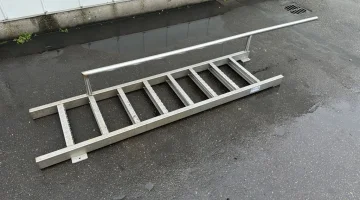
![Stainless steel staircase/ladder with handrail]()
Stainless steel staircase/ladder with handrail
![Baekelandt harvester for celeriac]()
Baekelandt harvester for celeriac
.jpg?resolution=360x200&quality=85&type=webp)
.jpg?resolution=360x200&quality=85&type=webp)
.jpg?resolution=360x200&quality=85&type=webp)
.jpg?resolution=360x200&quality=85&type=webp)
.jpg?resolution=360x200&quality=85&type=webp)
.jpg?resolution=360x200&quality=85&type=webp)
.jpg?resolution=360x200&quality=85&type=webp)
- Quality equipment
- Personalised machine advice
- Worldwide delivery
- Since 1977
Got a machine for sale?
We are constantly looking for good quality agricultural and horticultural machinery.

About second-hand machines for Celeriac
Celeriac is a labour-intensive open-field crop with a long growing cycle, typically five to six months. From spring sowing to the autumn harvest, the crop places high demands on soil, climate and cultivation mechanisation. The right machines make the difference: they save labour, reduce crop damage and ensure a consistent product quality.
At Duijndam Machines you will find a wide range of used machines for celeriac cultivation. From soil cultivation and sowing to harvesting, washing and processing, we have used machines available for every stage of cultivation from reliable A-brands. This way you benefit from professional capacity at a considerably lower investment than a new machine.
Soil cultivation and seedbed preparation
A successful celeriac crop starts below the ground. Celeriac places high demands on soil structure: the soil must be deeply loosened, free of compacted layers, and provide a fine, homogeneous seedbed. Soil cultivation machines such as spading machines and rotary harrow combinations are used to work the soil to the desired depth and prepare it for sowing or planting.
On heavier soils, bed-forming rotary cultivators or ridging cultivators are used to create a raised planting surface, which improves drainage and promotes bulb development. On lighter, well-structured soils, a shallower cultivation is often sufficient. A properly adjusted soil cultivation machine not only results in a better crop, but also in less wear on the sowing and planting machines in the next cultivation stage.
Sowing and planting
Celeriac is almost exclusively planted out as plug plants, because direct sowing in the field results in too irregular emergence. Planting machines for open-field vegetables place the plants at the correct spacing and depth, so that each plant has equal space and light. Many growers opt for a row spacing of 40 to 50 cm with a plant spacing within the row of 30 to 35 cm.
When direct sowing in the greenhouse or field is still chosen, for example to raise your own plant material, precision seeders and seed drills for open-field vegetables are the machines of choice. These machines ensure a regular sowing distance and a constant sowing depth, which greatly improves emergence and uniformity of the crop.
Bed planters are particularly suitable for growers working on permanent beds. They combine a high capacity with precise plant placement and are available in various row configurations.
Crop protection during the growing season
Celeriac is susceptible to various fungal diseases such as Septoria and to aphids. Timely and precise crop protection is therefore essential. Crop protection machines such as spray booms, field sprayers and rotary cultivator-sprayer combinations ensure efficient and targeted application of crop protection products.
Mechanical weed control also plays an important role in celeriac cultivation, especially in the early growth stage when the crop is still small. Hoeing machines and weed harrows are used to suppress weeds without chemicals. This fits well with an integrated or organic cultivation strategy.
Harvesting celeriac
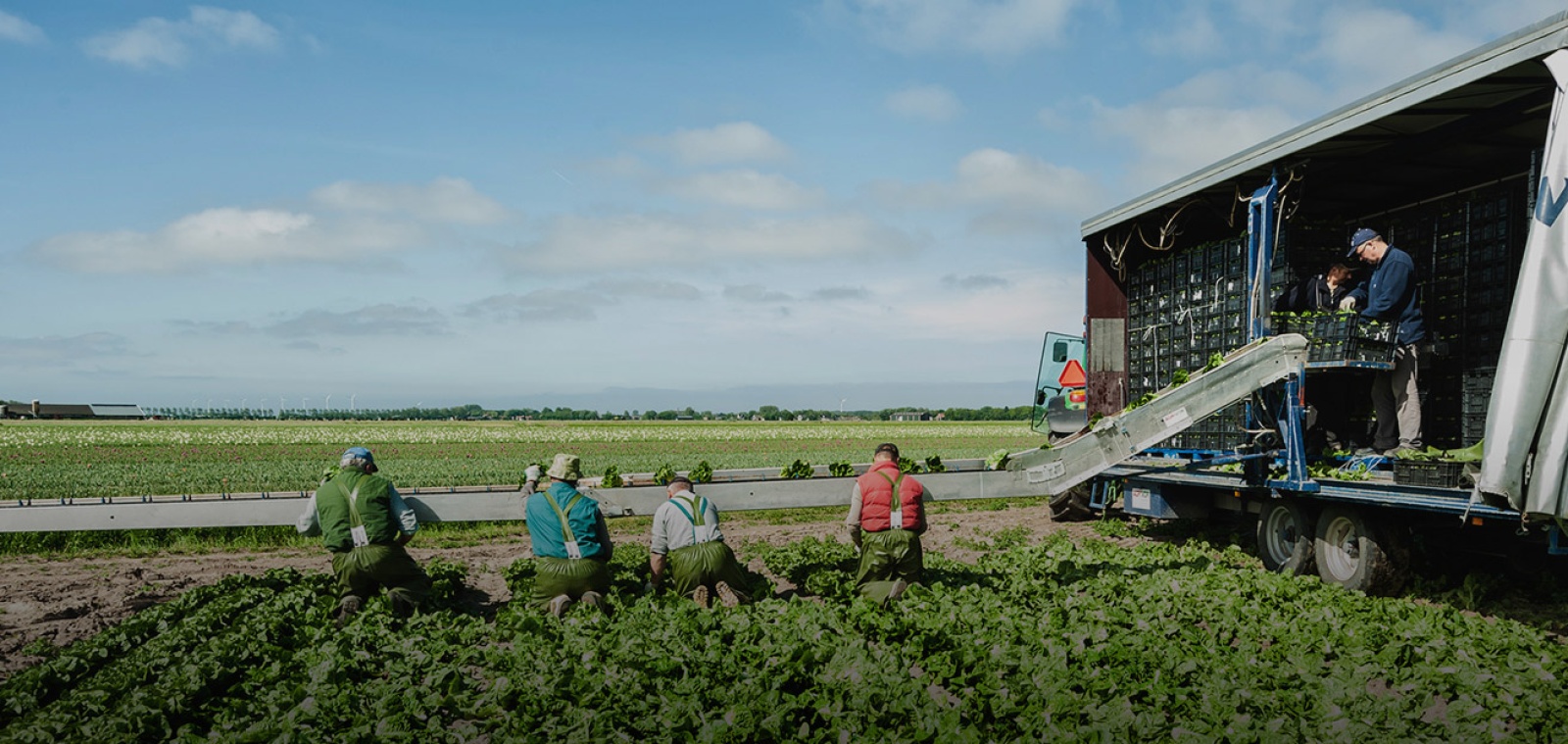
Celeriac is generally harvested from September through November, depending on the variety chosen and its intended use. Mechanical harvesting requires specific harvesters that lift the large, round bulb out of the ground carefully, without damage. Damage leads to quality loss and a shorter shelf life.
Adapted leek harvesters are regularly used in practice for harvesting celeriac. By adjusting the harvester to the larger size of the celeriac bulb and combining it with a haulm topper, a streamlined harvesting process is possible. Our range includes, among others, the Baekelandt leek harvester, which is successfully used by growers for celeriac.
For larger plots or intensive cultivation, bed harvesters can be used. These machines work with several rows at once and are often equipped with an on-board bunker or attached conveyor belt, so that the harvest goes straight into a trailer or bin. This considerably increases capacity and lowers labour costs per tonne of product.
Washing and cleaning
After harvesting, the bulbs are covered with adhering soil, foliage and root parts. Thorough cleaning is necessary for a sale-ready product. Washing machines for open-field vegetables are specially designed to intensively wash harder vegetables such as celeriac without damaging the outer tissue.
In large-scale processing, hydrocyclones and screen bends are used for water cleaning of the bulbs. These efficiently separate soil and organic material from the wash water. This extends the lifespan of the wash water and reduces the wastewater load.
After washing, the bulbs are brushed and polished for an attractive presentation. A brush polishing machine for celeriac ensures an even, clean exterior. Such a finish considerably increases the commercial value of the product and meets the expectations of supermarkets and traders.
Processing, cutting and sorting
For the fresh market and the processing industry, additional processing steps are needed. A band cutting machine cuts celeriac precisely and hygienically into slices, cubes or strips suitable for the food industry, caterers and pre-packaged products. The stainless-steel design of the machine meets the strict hygiene codes for food processing.
After washing and, if applicable, cutting, the bulbs are sorted by size, weight or quality. Sorting machines ensure a uniform grading and an efficient processing process. Uniformity is not only important for presentation, but also for further processing: equal size means equal cooking times and less waste.
Storage
Celeriac is a product that stores well. Provided it is properly cooled and stored at high humidity, the bulbs remain fit for consumption for several months. For storage, loading machines and conveyor belts are available that bring the product gently into the cold store or onto pallets.
Good storage starts with preventing damage during loading into the store. Machines with a low drop height and soft conveyor material reduce the risk of bruising, which prevents rot in the cold store. Fans and climate control equipment then support the correct storage conditions.
Can't find the machine you're looking for? Sign up for our email alerts and automatically receive a notification as soon as a suitable machine becomes available. Do you have a machine for sale yourself? Offer your machine here.
Frequently asked questions about Celeriac
What machines do I need for growing celeriac?
A complete celeriac growing operation requires machines for soil preparation, planting, crop protection, harvesting, washing, sorting and processing. Which machines are most relevant depends on your scale of production and target market.
Which harvester is suitable for celeriac?
Celeriac is often harvested using an adapted leek harvester or bed harvester. It is important that the machine can be adjusted to the larger size of the celeriac bulb and features a gentle catching system to prevent damage.
How is celeriac washed after harvesting?
After harvesting, the bulbs are washed using a drum washer or continuous flow washer. In large-scale processing operations, hydrocyclones and screen bends are additionally used to efficiently separate soil from the wash water.
What is a brush polishing machine and why is it used for celeriac?
A brush polishing machine smooths and cleans the outer surface of the washed bulb, resulting in an attractive appearance and higher market value. Machines such as the Bailly BCR 1500 are specifically suitable for celeriac.