
 en
Call me back
Please leave your phonenumber and we will call you as soon as possible.
- Quality equipment
- Personalised machine advice
- Worldwide delivery
- Since 1977
- All
- Tree nursery (273)
- Vegetables (686)
- Fruits (546)
- Leafy vegetables (487)
- Herbs (307)
- Tomatoes (273)
- Potplants (263)
- Peppers (229)
- Potatoes (224)
- Onions (215)
- Apples (192)
- Flower bulbs (174)
- Citrus and lemons (173)
- Food (167)
- Eggplant (166)
- Avocados (157)
- Carrots (156)
- Zucchini (150)
- Recycling (143)
- Brussels sprouts (142)
- Cucumbers (141)
- Flowers (134)
- Cherries (125)
- Lettuce (124)
- Pears (124)
- Kiwis (118)
- Trays (114)
- Strawberries (104)
- Broccoli (91)
- Leek (87)
- Mangoes (85)
- Perennials (84)
- Asparagus (82)
- Peaches (80)
- Cabbage (78)
- Apricots (72)
- Mushrooms (64)
- Fennel (62)
- Cauliflower (59)
- Summerflowers (58)
- Berries (56)
- Endive (54)
- (Red) Beets (52)
- Radish (51)
- Tulips (43)
- Oranges (42)
- Plums (42)
- Sunflowers (40)
- Roses (39)
- Sweet potatoes (39)
- Grapes (38)
- Spinach (38)
- Chicory (33)
- Nectarines (32)
- Beans (31)
- Pumpkin (30)
- Spring onions (26)
- Garlic (25)
- Corn (24)
- Gingers (22)
- Melons (21)
- Parsley (20)
- Nuts (17)
- Grains (15)
- Celery (15)
- Chrysanthemums (15)
- Peonies (15)
- Parsnip (15)
- Lilies (13)
- Orchids (13)
- Phalaenopsis (10)
- Celeriac (9)
- Freesias (8)
- Kale (8)
- Turnips (7)
- Bok choy (7)
- Seeds (4)
- French fries (3)
- Meat (3)
- Pickles (3)
- Show more (80)Show less
- All
- Pot holders (178)
- Potted plant conveyors (23)
- Potting machines (15)
- Flat conveyors (10)
- Planting machines (8)
- Shaking bedlifters (7)
- Shrub and tree lifters (7)
- Spraying wagons (6)
- Bedlifters (6)
- Transport and spacing forks (5)
- Trailers (5)
- Buffer conveyor (4)
- Pot plant buffer conveyor belts (4)
- Potdispensing forks (4)
- Big-Bale dosage bunker (3)
- Soil bunkers (3)
- Harvesting trolleys and trailers (3)
- Inter row cultivators (2)
- Forklifts (2)
- Carrot harvesters (2)
- Label sticker machines (2)
- Binding machines (2)
- Inter row rotovators (2)
- Netting machines for root balls (2)
- Box tippers (2)
- Leek harvesters (2)
- Pruning machines (1)
- Box fillers (1)
- Paperpot machines (1)
- Harvesting conveyors (1)
- Spading machines (1)
- Cultivators (1)
- Flower processing machines (1)
- Hosereels (1)
- Spraying booms (1)
- Topbeltlifters for trees (1)
- Leek planting machines (1)
- Stairs (1)
- Roller conveyors (1)
- Shovel containers (1)
- Supports (1)
- Tray filling machines (1)
- Destacking machines (1)
- Pepper sorting machines (1)
- Inspection conveyors (1)
- Elevator incline conveyors (1)
- Fertilizers (1)
- Show more (39)Show less
- All
- Andre Vriend (1)
- Bärtschi (1)
- Basrijs (8)
- Berkvens (1)
- Breviglieri (2)
- Buitendijk & Slaman (1)
- Crea-Tech (1)
- Damcon (1)
- Deman (1)
- Desmyter (1)
- Elco (1)
- Ellepot (1)
- Empas (4)
- FGM (3)
- Flier (2)
- H. van der Smit (1)
- Hak (1)
- Heto (16)
- Imants (1)
- Jako (1)
- Javo (173)
- Jungheinrich (1)
- Kongskilde (1)
- Lambers (1)
- Lanz (1)
- Logitec (3)
- Martin Stolze (7)
- Mayer (4)
- Mountec (1)
- Mulder (1)
- Pazzaglia (1)
- Rasspe (2)
- Robot (1)
- Schrauwen (5)
- Super Prefer (1)
- Toyota (1)
- Transvaria (1)
- Visser (1)
- Weterings (2)
- Willburg (1)
- Show more (32)Show less
Be the first to receive new additional machines in your mailbox with any of the following features.

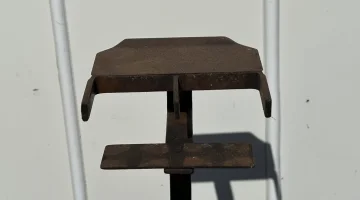
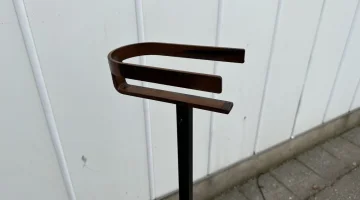
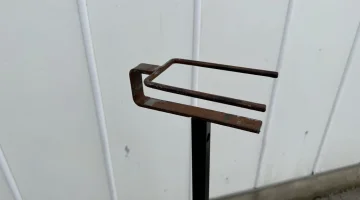
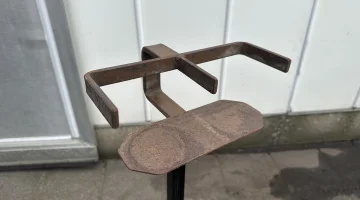
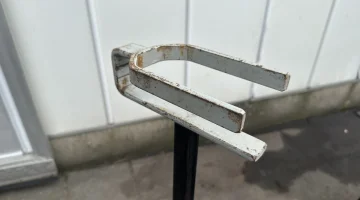
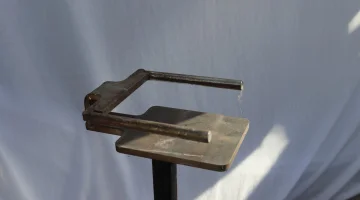
![Javo double pot holders 7,5 cm inner diameter holder]()
Javo double pot holders 7,5 cm inner diameter holder
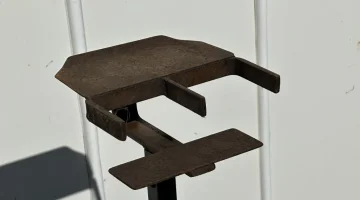
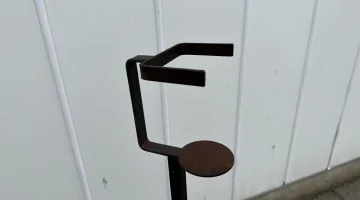
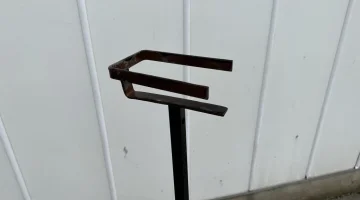
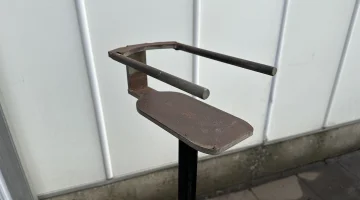
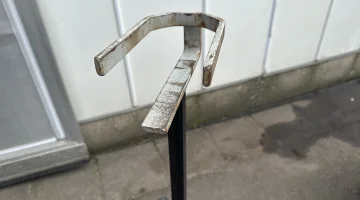
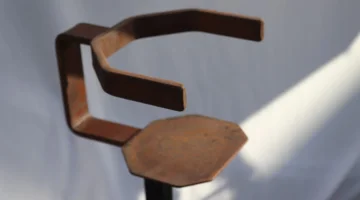
![Javo double pot holders 7,5 cm inner diameter holder]()
Javo double pot holders 7,5 cm inner diameter holder
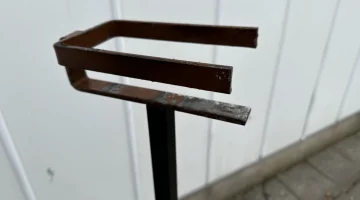
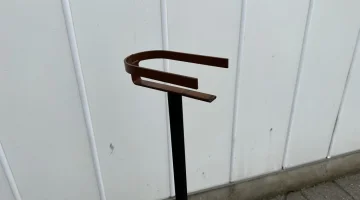
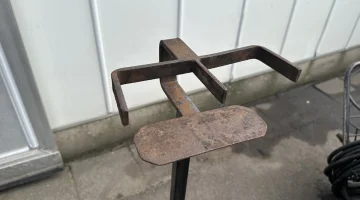
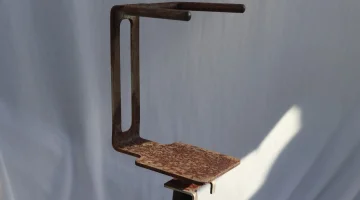
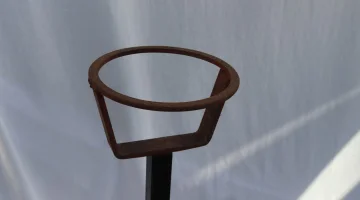
![Javo pot holders 20,5 cm inner diameter holder]()
Javo pot holders 20,5 cm inner diameter holder
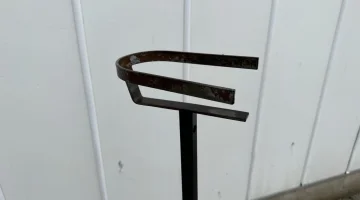
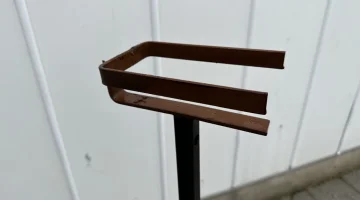
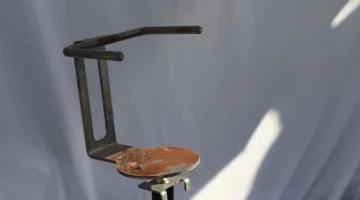
![Javo pot holders 11,5 cm inner diameter holder]()
Javo pot holders 11,5 cm inner diameter holder
![Javo pot holders 13,5 cm inner diameter holder]()
Javo pot holders 13,5 cm inner diameter holder
![Javo round pot holders 17 cm inner diameter holder]()
Javo round pot holders 17 cm inner diameter holder
![Javo round pot holders 13,5 cm inner diameter holder]()
Javo round pot holders 13,5 cm inner diameter holder
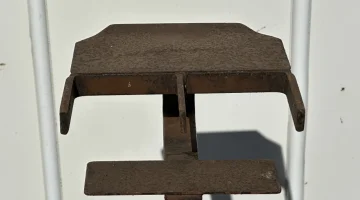
![Javo double pot holders 8,5 cm inner diameter holder]()
Javo double pot holders 8,5 cm inner diameter holder
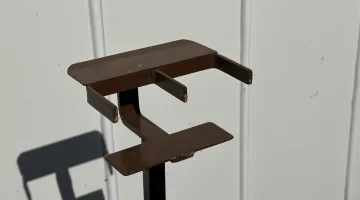
![Javo double pot holders 8,5 cm inner diameter holder]()
Javo double pot holders 8,5 cm inner diameter holder
![Javo double pot holders 8,5 cm inner diameter holder]()
Javo double pot holders 8,5 cm inner diameter holder
![Javo double pot holders 9 cm inner diameter holder]()
Javo double pot holders 9 cm inner diameter holder
![Javo pot holders 11 cm inner diameter holder]()
Javo pot holders 11 cm inner diameter holder
![Javo pot holders 13 cm inner diameter holder]()
Javo pot holders 13 cm inner diameter holder
![Javo pot holders 9 cm inner diameter holder]()
Javo pot holders 9 cm inner diameter holder
![Javo pot holders 11 cm inner diameter holder]()
Javo pot holders 11 cm inner diameter holder
![Javo pot holders 8 cm inner diameter holder]()
Javo pot holders 8 cm inner diameter holder
![Javo pot holders 10 cm inner diameter holder]()
Javo pot holders 10 cm inner diameter holder
![Javo pot holders 11 cm inner diameter holder]()
Javo pot holders 11 cm inner diameter holder
![Javo pot holders 9 cm inner diameter holder]()
Javo pot holders 9 cm inner diameter holder
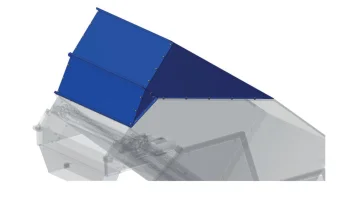
![Logitec extension plates for DB-40 big-bale dosing bunker]()
Logitec extension plates for DB-40 big-bale dosing bunker
![Javo double pot holders 11,5cm inner diameter holder]()
Javo double pot holders 11,5cm inner diameter holder
![Javo double pot holders 11 cm inner diameter holder]()
Javo double pot holders 11 cm inner diameter holder
![Javo double pot holders 10 cm inner diameter holder]()
Javo double pot holders 10 cm inner diameter holder
![Javo double pot holders 8,5 cm inner diameter holder]()
Javo double pot holders 8,5 cm inner diameter holder
![Javo double pot holders 10 cm inner diameter holder]()
Javo double pot holders 10 cm inner diameter holder
![Mayer pot holders 11 cm inner diameter holder]()
Mayer pot holders 11 cm inner diameter holder
![Mayer pot holders 15 cm inner diameter holder]()
Mayer pot holders 15 cm inner diameter holder
![Javo pot holders 11,5 cm inner diameter holder]()
Javo pot holders 11,5 cm inner diameter holder
![Javo pot holders 14 cm inner diameter holder]()
Javo pot holders 14 cm inner diameter holder
![Javo pot holders 15 cm inner diameter holder]()
Javo pot holders 15 cm inner diameter holder
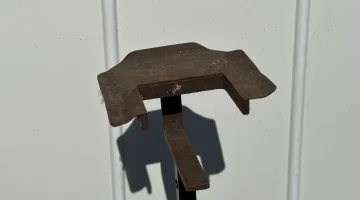
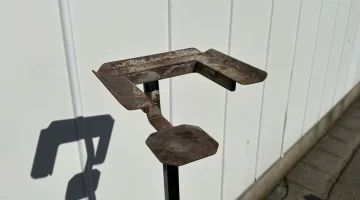
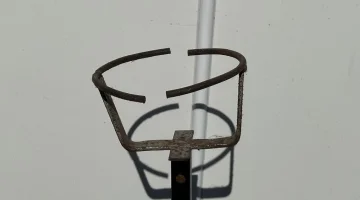
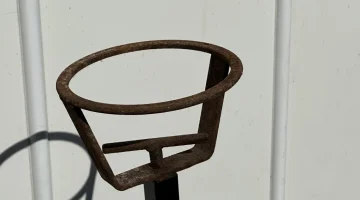
- Quality equipment
- Personalised machine advice
- Worldwide delivery
- Since 1977
Got a machine for sale?
We are constantly looking for good quality agricultural and horticultural machinery.

About second-hand machines for Tree nursery
A tree nursery can grow many different trees and plants, such as avenue trees, forestry plants, ornamental shrubs, conifers, fruit trees, boxwood, perennials, Christmas trees and roses. Growing methods also differ: in open field or in pots on a container field. In addition, plants are supplied in pots, with a root ball or bare-root. For each of these growing methods there are machines that mechanise parts of the work, so that you can plant, maintain, lift and transport large numbers of trees and plants in relatively little time. At Duijndam Machines you will find a changing range of used tree nursery machines, from planting machines and shaking bedlifters to root ball lifters and tree lifters, pruning machines and potting machines.
Different types of tree nurseries
Not every tree nursery works in the same way. For example, there is the distinction between open-field cultivation and container cultivation. That difference largely determines which machines you need. A grower of rootstocks works with different planting and lifting machines than a company supplying large avenue trees with a root ball. In open-field cultivation, plant spacing, row spacing, soil cultivation, weed control and the lifting method play a major role. In container cultivation, the emphasis is on potting machines, potting soil handling, conveyor belts and systems for spacing out and collecting pots.
Planting machines for the tree nursery
To plant trees and shrubs, you use machines that are suitable for bare-root planting material or plants with a root ball. In open-field cultivation, you will mainly come across these types:
- Disc planters suitable for small trees and rootstocks.
- Furrow planting machines for larger trees, fruit, olive and almond trees, rootstocks, whips and conifers.
- Planting hole augers for drilling planting holes.
On many mechanical planting machines, the plant spacing is determined by a ground wheel or cage roller. This keeps the plant spacing consistent, even if your driving speed varies somewhat.
Damcon planting machines
Damcon is highly specialised in tree nursery machinery. The Damcon PL10 is widely used for rootstocks, whips and conifers. The machine is available in various furrow widths and can also be built as a multi-row version. For larger planting material there are heavier versions, such as the PL30-90, which are aimed more at avenue trees and larger conifers.
Other brands we regularly come across in tree nursery planting machines are Basrijs, Super Prefer, Lambers, Lauwers and Elco. Also take a look at our complete range of planting machines.
What should you look for in a planting machine?
Which planting machine suits you starts with the planting material. How large are the plants, and how long and wide is the root system? This determines the furrow width and planting depth you need. Also consider the plant spacing and row spacing you use, and the number of rows you want to plant in one pass. Finally, the machine must match your tractor: heavier and multi-row versions in particular require sufficient power and lifting capacity.
Planting robots and potting machines
In container cultivation, plants are potted with a potting machine and carried away on potted plant conveyors. Planting robots have been in development since 2000 and are steadily improving. They work best with uniform plants under identical conditions. However, at many nurseries the assortment consists of many different species, which also vary in size or planting method from one period to the next. That is why, in practice, potting at a potting machine is often still done by hand. Brands such as Javo, Visser and Martin Stolze are particularly interesting for container cultivation, pots and internal transport.
Weed control in the tree nursery
Growers who cultivate in open field use various implements against weeds, such as inter-row cultivators, inter-row rotovators, tine weeders and row sprayers. Growers of potted plants, on the other hand, use bark spreaders (tree bark) and spraying wagons with spray booms. Before delivery, you can clean the pots of moss and other dirt with a pot washing machine.
Lifting machines for tree nurseries
With a suitable lifting machine, you can lift trees and plants quickly, flexibly and carefully. The first distinction is whether the plant needs to be supplied bare-root or with a root ball.
Lifting machines without root ball (bare-root)
- Lifting ploughs with winch, for undercutting avenue trees, conifers and forsythias.
- Offset lifters, for lifting taller trees alongside the tractor.
- Selective lifting machines, for lifting orders to measure.
- Topbelt lifters, suitable for seedlings, whips and fruit trees.
- Shaking bedlifters, with or without a movable blade.
- Bedlifters, for unloading directly into a bulk box or onto a trailer, for perennials, strawberry plants, asparagus plants and certain tree nursery crops, among others.
Lifting machines with root ball
- (Root ball) spading machines, for (semi-)automatically cutting loose conifers, Christmas trees, yew, beech, boxwood and laurel.
- Root ball lifters, behind the tractor, on a crane or self-propelled on tracks, such as the machines from Holmac and Pazzaglia.
After lifting, you can wrap the root balls in a net with a netting machine.
Holmac root ball lifters
Holmac specialises in machines for tree nurseries. The HZC series works with a round lifting blade that cuts under the tree, forming a spherical root ball. A vibration function helps the blade through heavier soil and roots, after which the tree is lifted out of the ground with its root ball. Holmac uses interchangeable blades in various diameters, so you can adapt the machine to different tree and root ball sizes. The machines usually run on tracks, which provides extra grip and spreads the weight over a larger surface.
When choosing a Holmac, the most important factors are:
- desired root ball diameter
- diameter and size of the tree
- soil type
- available space between the rows
- total weight of tree and root ball
Pazzaglia root ball lifters
Pazzaglia also builds compact, self-propelled root ball lifters. A good example is the Pazzaglia FZ110 AV, which is particularly interesting if your rows are relatively close together. This version is suitable for root balls of approximately 30 to 100 cm and has a hydraulically adjustable track width. The lifting blade can swivel to the left and right, making it easier to reach a tree without having to stand exactly in front of it. With different lifting blades, you can use the same base machine for several root ball sizes.
Which lifting machine suits your nursery?
The crop determines which lifting system makes sense. Rootstocks, forestry plants and young trees are often lifted bare-root; shaking bedlifters, topbelt lifters and bedlifters are interesting for this. With avenue trees, larger ornamental trees, conifers and solitary shrubs you more often work with a root ball, and that is where machines from Holmac and Pazzaglia come into the picture. If you grow many different sizes, a machine on which you can use different lifting blades or root ball diameters is particularly interesting. The soil type also counts: a heavy root ball on clay soil demands something different from a machine than a lighter root ball on sandy soil.
Pruning machines for the tree nursery
Various trimming machines are available for pruning shrubs and compact crops, for example for prunus, boxwood and yew. With them you can trim balls, cones or an even height. For nurseries with many uniform rows, mechanical pruning delivers considerable labour savings.
Lommers pruning machines
Lommers pruning machines are particularly interesting for crops where plants need to be pruned regularly into a fixed shape or to an even height, such as boxwood, ornamental shrubs and other compact crops. Depending on the version, you can adjust the machine to different crop widths and pruning heights, so you work faster and more evenly than with fully manual pruning.
Ezendam pruning machines
Ezendam is also a well-known name in tree nursery mechanisation. Under the name Globus, Powered by Ezendam, specialised nursery machines are built for shape pruning, weed control, planting and root balling, among other things. One example is the Ezendam B01 pruning machine for boxwood and similar compact crops, including Ilex, Taxus and various boxwood varieties. With different pruning units, different ball sizes can be pruned.
What should you look for in a pruning machine?
- width or diameter of the crop
- desired pruning height and pruning shape
- row spacing
- capacity per hour
- tractor-mounted or self-propelled version
Pruning platforms
Taller trees are still often pruned and tied by hand from a pruning platform, also known as a pruning plateau or aerial work platform. With it, one or more people ride along the rows at working height to prune, tie or carry out other maintenance. We mainly know these machines from Damcon and Pazzaglia.
For tree nurseries, two undercarriages are particularly interesting:
- All-terrain tyres, good for fields with sufficient load-bearing capacity, and often somewhat faster and easier to move.
- Tracked undercarriage, spreads the weight over a larger surface and provides more grip on soft, wet or uneven ground.
When choosing, pay particular attention to working height, platform width, overall machine width and ground conditions. The row spacing in your nursery also plays a role: the machine must be able to drive between the trees and turn on the headland.
Internal transport
Within the tree nursery, trees and plants are moved with trailers, forklifts, buffer belts, potted plant conveyors and conveyor belts.
Brands in the tree nursery sector
With tree nursery machinery, the brand plays a bigger role than with many general agricultural machines, because many manufacturers have specialised in one part of the cultivation process. A rough classification:
- Damcon / Pazzaglia - planting machines, lifting machines, root ball lifters, pruning platforms and other specialised tree nursery machines
- Basrijs - planting machines, shaking bedlifters and lifting machines
- Super Prefer - planting machines
- Lambers - planting machines for trees, among other things
- Holmac - self-propelled root ball lifters
- Schrauwen - shaking bedlifters and tree lifters
- Javo / Visser / Martin Stolze - container cultivation, pots and internal transport
- Lommers / Ezendam - pruning machines and spading machines
Which machine do you need?
With tree nursery machinery, it is important to look beyond just a brand or type. For good advice, it is important to know in advance:
- which crop you grow
- how large the planting material is
- whether you grow in open field or in containers
- your plant spacing and row spacing
- the desired capacity
- whether you lift with a root ball or bare-root, and which root ball size
- which tractor you use
- your soil type
With that information, we will determine together which used planting machine, lifting machine, root ball lifter, inter-row cultivator or other tree nursery machine suits your business.